Armament Archive
Weapons Systems
Kinetic, beam and rail systems standardized around interoperable supply, mechanical fallback and human control.
Access Weapons Archive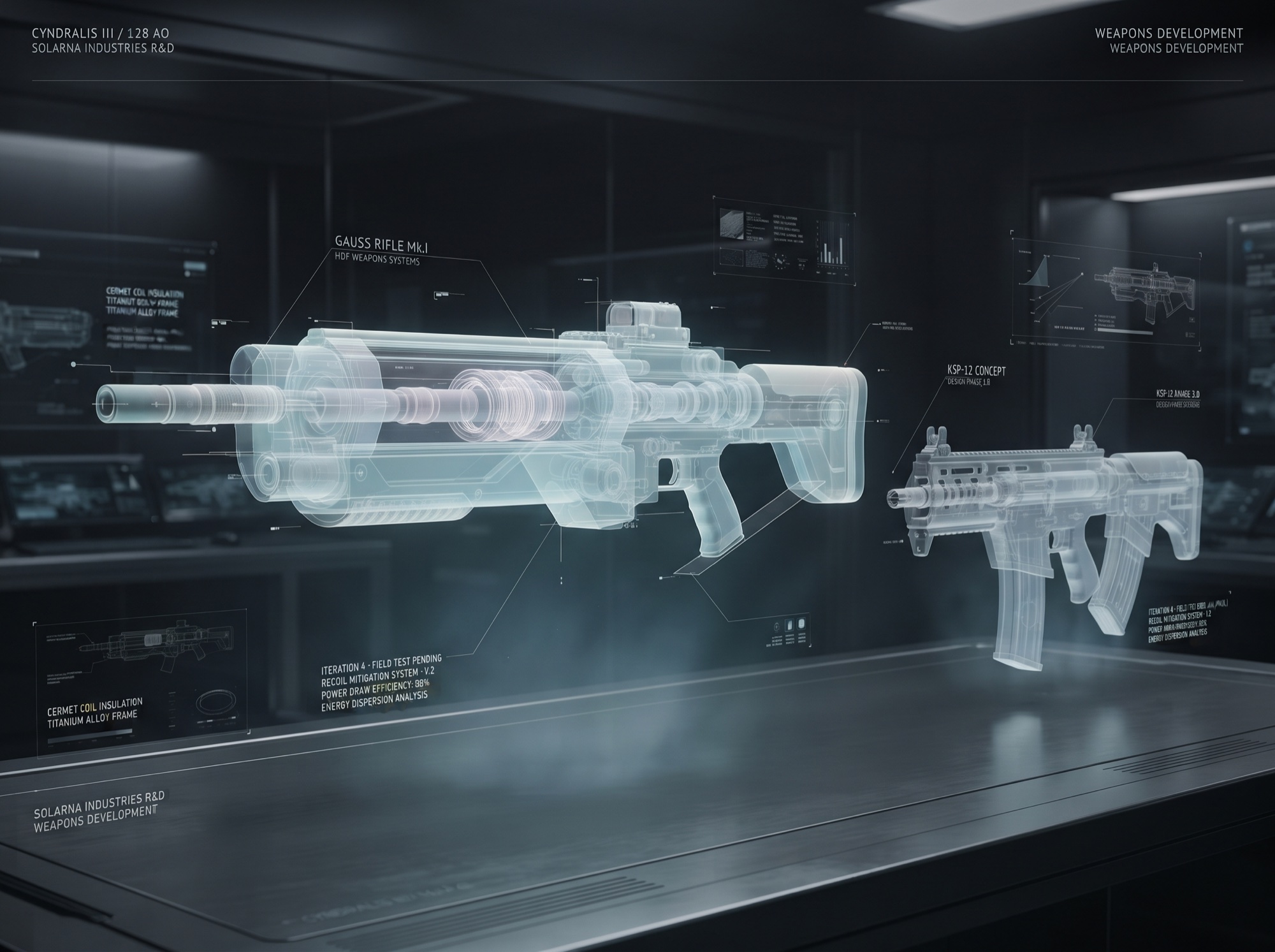
Technical Archive // CYTEFIRE
The systems that move, arm and sustain human civilization.
Technology in the Settlement is not decorative. It determines who can cross hostile terrain, sustain a campaign, keep a pilot alive and hold distant worlds within reach.
Combat Machines
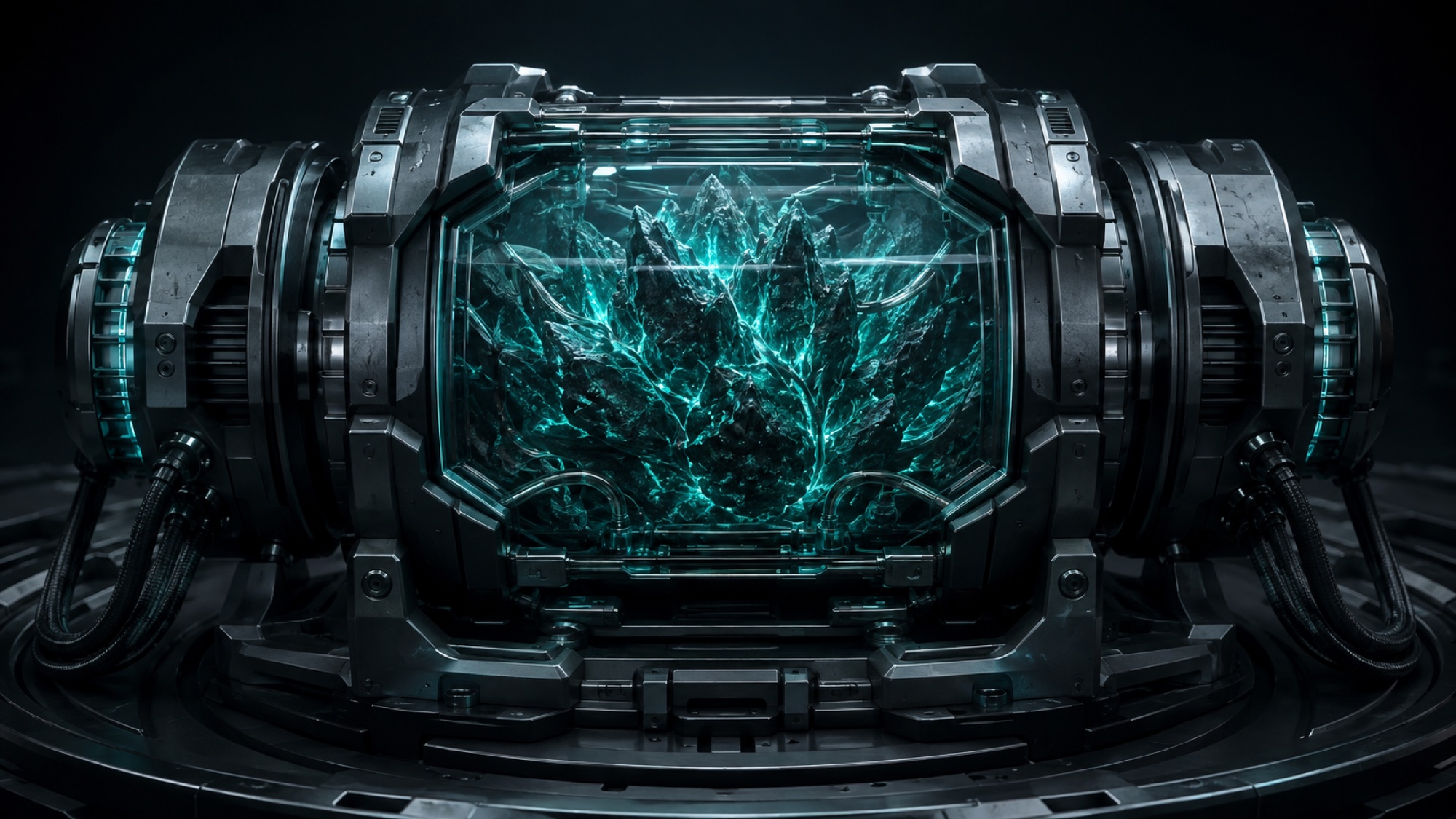
A combat machine is an integrated stack: frame, propulsion, armor, sensors, targeting, stabilization, cockpit shell, pilot interface, auxiliary intelligence, core and armament. A weakness or strength in any layer changes how the complete machine behaves.
Doctrine follows engineering. Scouts find and mark. Fire-support machines exploit distance. Strikers close rapidly. Line fighters hold ground. The result is not one universal machine, but a family of specialized platforms built around different tactical problems.
Industrial Interpretation
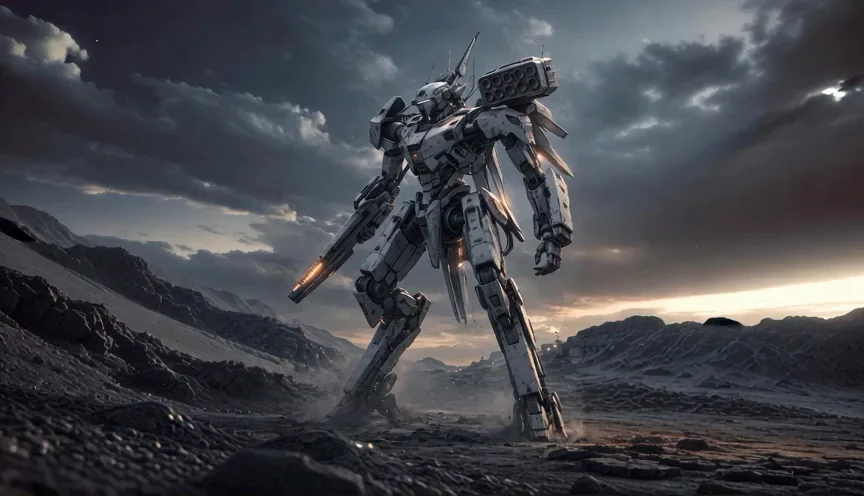
CYTEFIRE machines inherit the priorities of their builders. Some manufacturers emphasize structural mass and field durability; others favor precision, speed, modularity, affordability or weapon integration. Even a single platform may combine systems sourced across several dynasties.
Armament Archive
Kinetic, beam and rail systems standardized around interoperable supply, mechanical fallback and human control.
Access Weapons ArchiveFerroCyte Technology
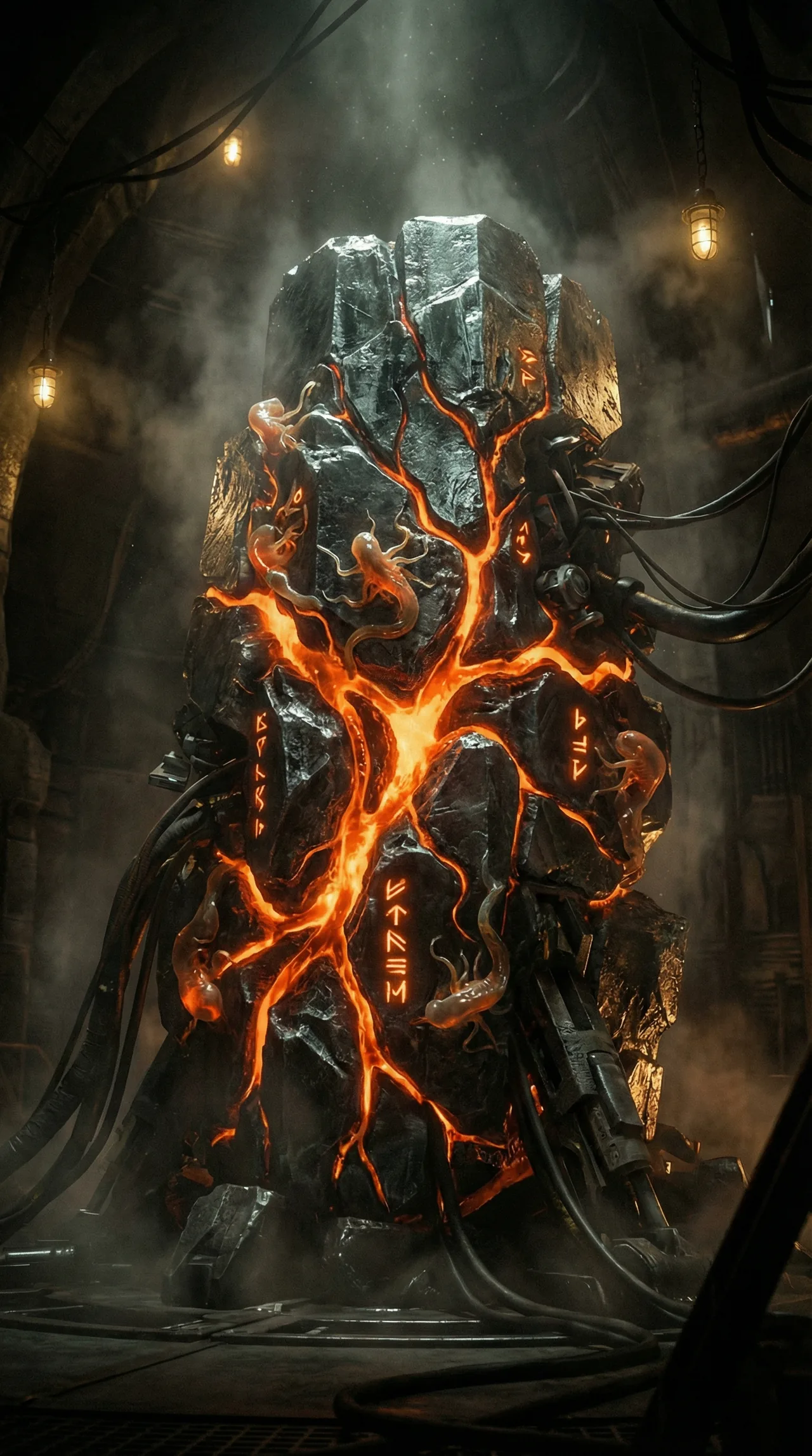
FerroCyte is a rare mineral threaded with symbiotic single-celled organisms. Cultivated at sufficient scale and under the right conditions, those organisms form the coherent living collective inside a CyteCore: a bioreactor module that powers a Mech and can develop a lasting bond with its pilot.
A genuine Solarna-Core is neither a conventional reactor nor an artificial intelligence. It grows, remembers and changes through prolonged contact with its pilot. Machine intelligence provides the translation layer through which the living swarm becomes language, warning and impulse.
FerroCyte is not just a material.
It is a strategic resource.
The Settlement can extract FerroCyte and build functional alternatives, but it cannot freely reproduce the fully coherent original. Competing core programs trade biological coherence for availability, stability or controlled output. That difference shapes military power, industrial dependency and the relationship inside every cockpit.
Human–Machine Interface
The Personal Inner Frame is a custom-fitted, body-close interface that connects a pilot biomechanically to a Mech. It is not armor, not an exoskeleton and not a source of strength. It is a passive carrier for movement signals, biometric data, physical feedback and basic medical integration.
Control remains layered. The pilot’s movement establishes immediate action, manual controls provide precision and overrides, and the Mech’s auxiliary systems fuse signals, correct errors and interpret context. The CyteCore supports that relationship but does not independently choose tactics or move the machine.
The PIF is not a suit.
It is the thinnest possible connection between human and machine.
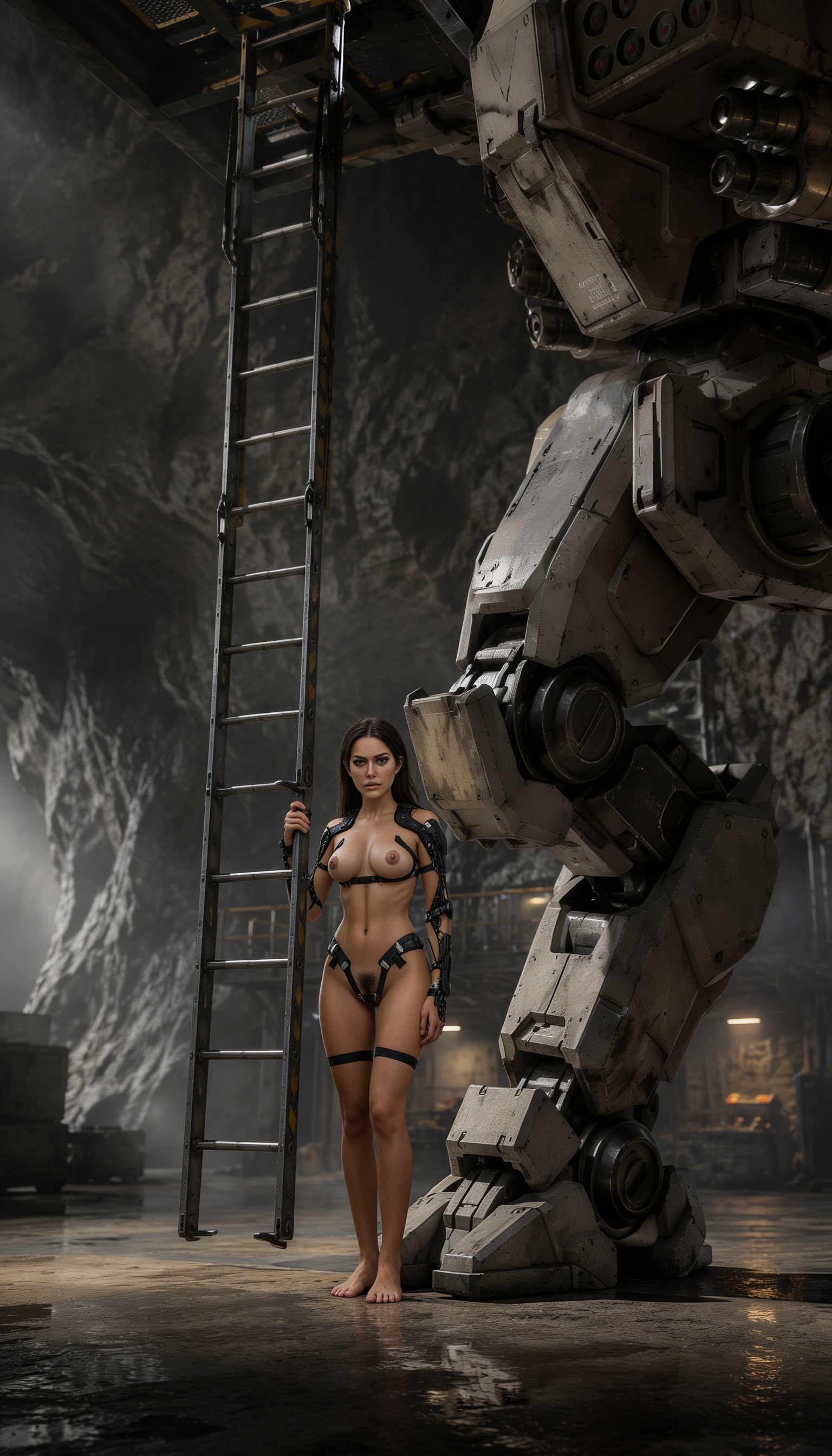
Custom contact points and a spine interface translate body movement, reflex and configured neural inputs into machine-scale action.
Body input, manual controls and assistance systems work in parallel. No single layer replaces the others.
Resistance, inertia, vibration and mechanical blockage return through the frame so the pilot can feel the machine’s condition.
Auxiliary intelligence translates Core impulses, manages subsystems and supports interpretation without becoming the pilot.
A sealed cockpit, biometric monitoring and staged emergency injection protect the pilot when the machine is damaged.
Infrastructure & Systems
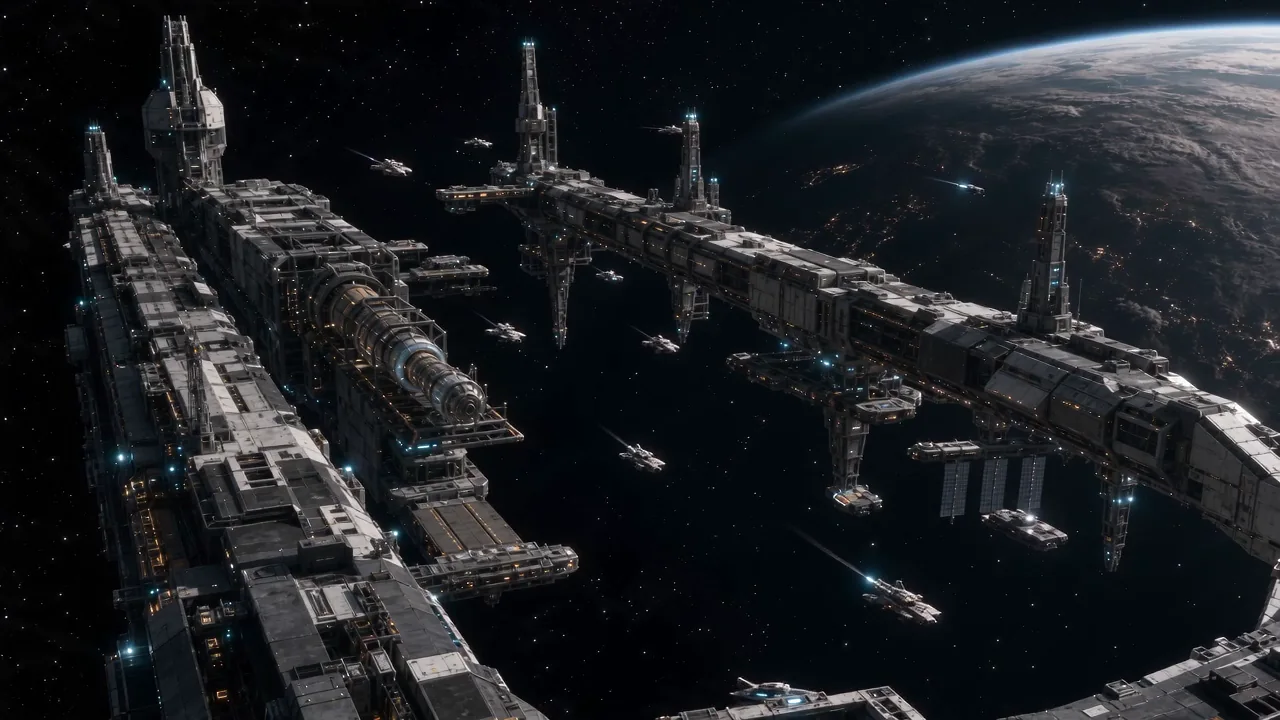
Ascension Gates are the Settlement’s largest engineered dependency: rare ancient field cores housed inside modern, repaired carrier structures. Synchronized Gates establish a directional Corridor Field along a fixed route; ships remain physical, pilot-controlled vessels and cross the full distance under their own propulsion.
Ascension is strictly intra-system infrastructure. Interstellar movement uses the separate Deep Relay network, where localized Metric Displacement Fields connect certified routes between stars.
Technical Archive // Continue
Machines determine who can move.
Systems determine who can communicate.
Infrastructure determines who remains connected.